General Dentistry for Healthy Smiles in Sparwood
Preventive Dental Care for Lifelong Oral Health
Maintaining a healthy smile starts with regular dental care. At Sparwood Dental Clinic, we provide general dentistry in Sparwood focused on prevention, early detection, and ongoing support for healthy teeth and gums.
Our approach to family dentistry in Sparwood combines routine care, modern dental technology, and clear communication to help patients understand their oral health and treatment options.
- Comprehensive Dental Checkups
- Tooth-Coloured Dental Fillings
- Custom Sports Guards and Night Guards
- Preventive Care for Long-Term Oral Health
Request a Consultation
Comprehensive General Dentistry
Regular dental visits are one of the most effective ways to maintain your oral health and reduce the need for more extensive treatment in the future. Our preventive dentistry in Sparwood combines modern dental technology with a patient-focused approach to help identify concerns early while providing comfortable, efficient care.
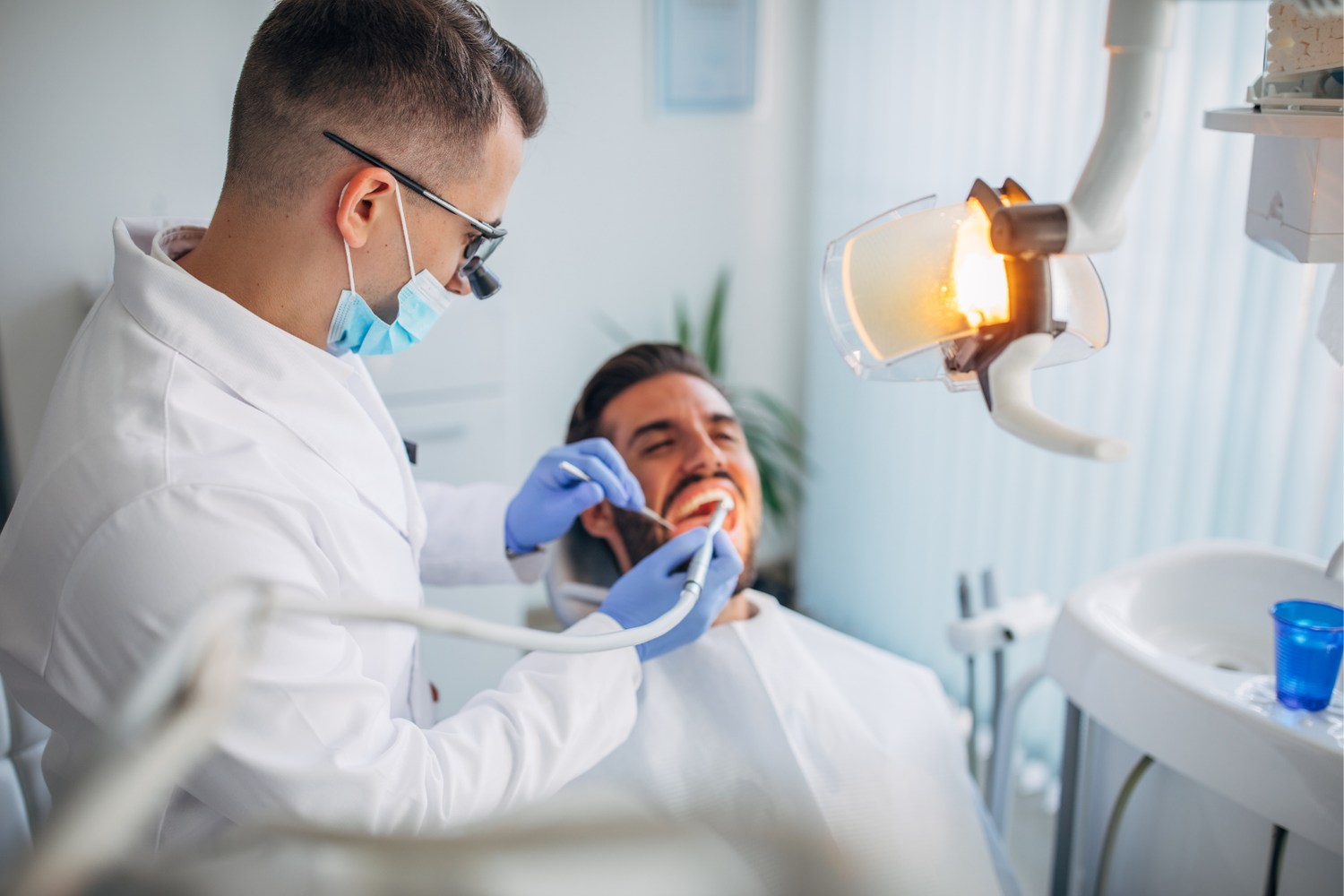
During your visit, our team may remove plaque and tartar buildup, polish your teeth, and complete dental exams and oral exams to check for tooth decay, gum disease, and other oral health concerns. An Oral Cancer Screening may also be completed as part of your routine dental care.
When needed, Digital X-rays can provide additional information about your teeth, bone, and areas that may not be visible during a visual examination. Our team will also take the time to discuss your oral health, existing restorations, and any recommended preventive dental services.
General Dentistry Treatments We Provide
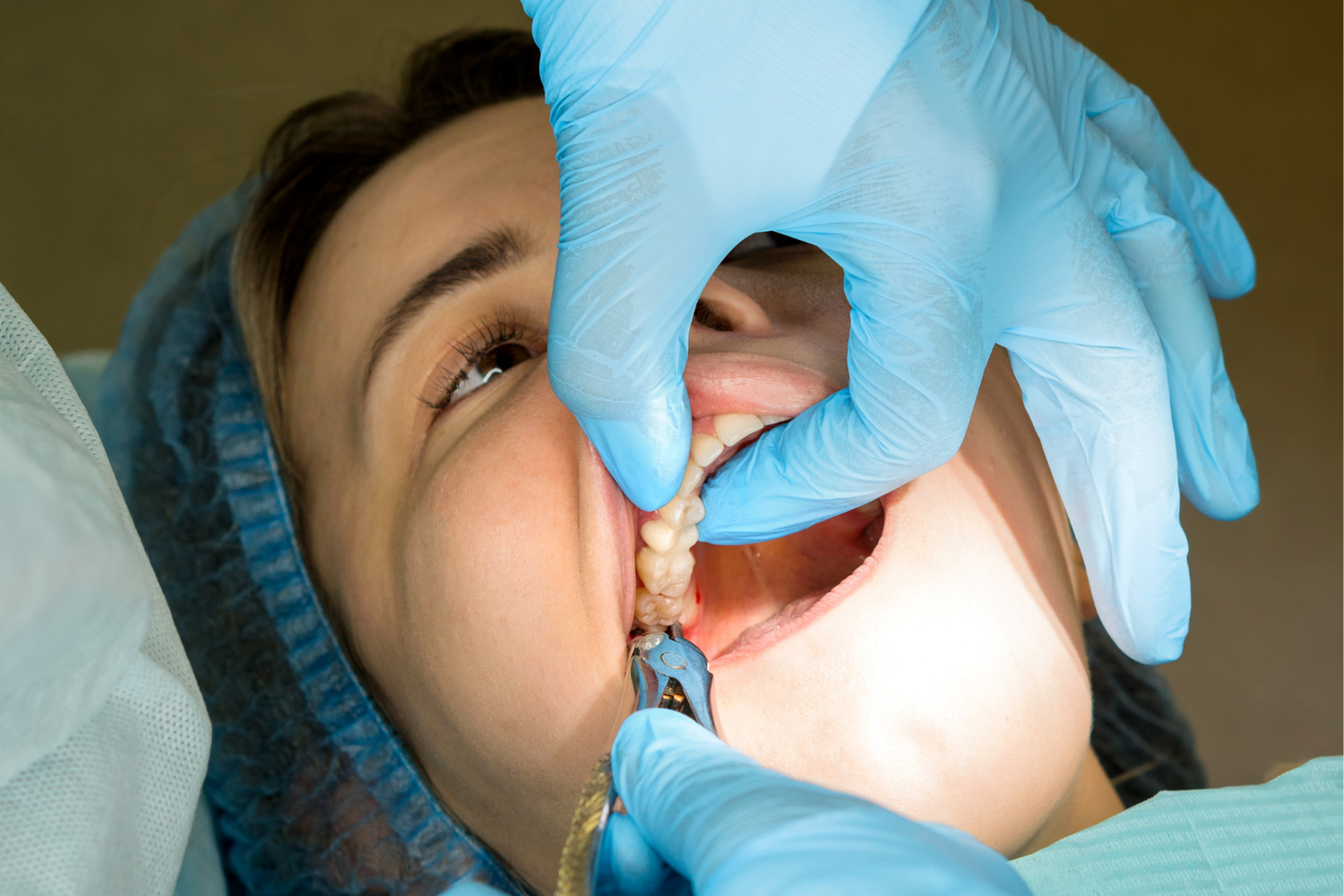
Our general dentistry services focus on preventive care, routine exams, cavity treatment, and protecting your teeth and gums through every stage of life.


What to Expect During Your Visit
Whether you are visiting us for your first appointment or returning for routine dental care in Sparwood, our goal is to make your experience comfortable, informative, and easy to understand. Your visit may include:
- Review of your dental and medical history
- Professional Dental Cleaning
- Comprehensive Dental Checkup
- Digital X-rays when necessary
- Oral Cancer Screening
- Evaluation of your teeth, gums, and existing restorations
- Personalized recommendations for Dental Hygiene
- Guidance on Preventive Dentistry and home care
Our team is always happy to answer your questions and help you make informed decisions about your oral health.