Is Your Dental Implant Trying to Tell You Something?
Source: Dr. Marketing
You had a dental implant placed years ago. It healed, the crown was fitted, and eventually, you stopped thinking about it. Eating felt normal, brushing was routine, and the implant became part of your everyday smile.
Then something changed.
Perhaps you noticed a dull ache while chewing. Maybe the gum around the implant feels tender, or you have started avoiding that side of your mouth because something does not feel quite right.
When an implant has been comfortable for years, unexpected pain raises an obvious question: Why now?
The answer is not always implant failure. Sometimes, the implant remains firmly attached to the jawbone while something around it has changed. Understanding those changes can help you recognize when discomfort deserves attention and what our team may look for during an examination.
Why Would a Dental Implant Suddenly Start Hurting?

Unlike natural teeth, dental implants do not contain nerves or have the same cushioning ligament around their roots. However, the surrounding gums, bone, and nearby teeth can still become irritated or inflamed.
This means the location of your discomfort does not always reveal its source. For example, pain when biting might involve the crown attached to the implant. Tenderness along the gumline could indicate inflammation, while a persistent ache may come from a neighbouring tooth.
Even the way your teeth meet when you bite can change over the years. Rather than assuming the implant itself is damaged, it helps to consider what has changed since it was originally placed.
Your Implant Has Not Moved, but Your Mouth Has Changed
One overlooked reason for discomfort around an older implant is that the surrounding mouth does not remain exactly the same.
Natural teeth can gradually shift or wear. Dental restorations may need adjustments, and habits such as clenching or grinding can place additional pressure on certain areas.
An implant-supported crown does not move in the same way as a natural tooth. As a result, changes in your bite may alter how chewing forces are distributed. You might notice discomfort when biting into firmer foods, a sensation that one tooth contacts first, or tenderness after clenching your teeth.
These symptoms do not necessarily mean the implant is loose. The crown, its connection to the implant, and the surrounding tissues may need to be examined. Sometimes, the solution involves addressing the restoration or bite rather than replacing the implant.
What If the Pain Is Coming From the Gums?
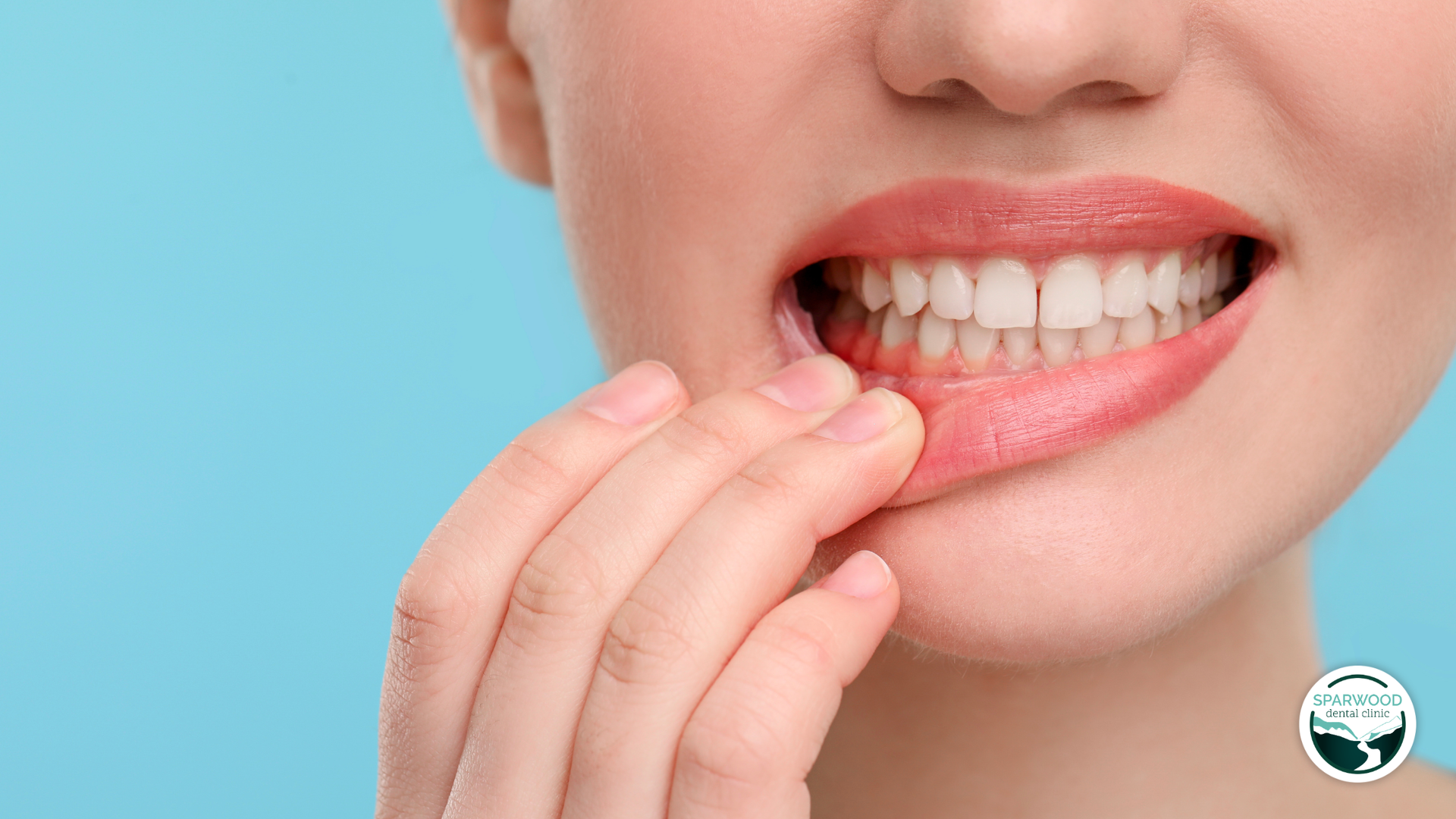
The gums around
dental implants need ongoing care, even many years after placement. One condition we watch for is peri-implantitis, an inflammatory disease involving the tissues around an implant and progressive loss of supporting bone.
It can develop when inflammation persists around the implant, often in association with bacterial plaque. What makes peri-implantitis particularly important is that it may progress without significant pain during its early stages.
You may initially notice bleeding while brushing, puffiness around the implant, or a change in the appearance of the gumline. As the condition progresses, additional symptoms may include tenderness, discharge, or changes in implant stability.
There is also a less advanced condition called peri-implant mucositis, in which inflammation affects the soft tissues without the progressive bone loss associated with peri-implantitis.
These conditions require different levels of care, making an accurate diagnosis important.
Could the Crown Be Causing the Discomfort?
The implant itself is only one part of your tooth replacement. The visible crown and the components connecting it to the implant experience daily chewing forces. Over time, a screw may loosen, a restoration may become damaged, or the crown may no longer fit or function as intended.
This can create symptoms that feel surprisingly similar to implant problems. For instance, you might notice a slight clicking sensation, an unfamiliar feeling when chewing, or discomfort when pressure is applied.
A loose crown does not automatically mean the implant has lost its attachment to the jawbone. However, continuing to chew on a loose restoration can create additional complications. If something feels as though it is moving, avoid testing it repeatedly with your tongue or fingers. Have the area professionally examined instead.
Sometimes, the Implant Is Not the Problem
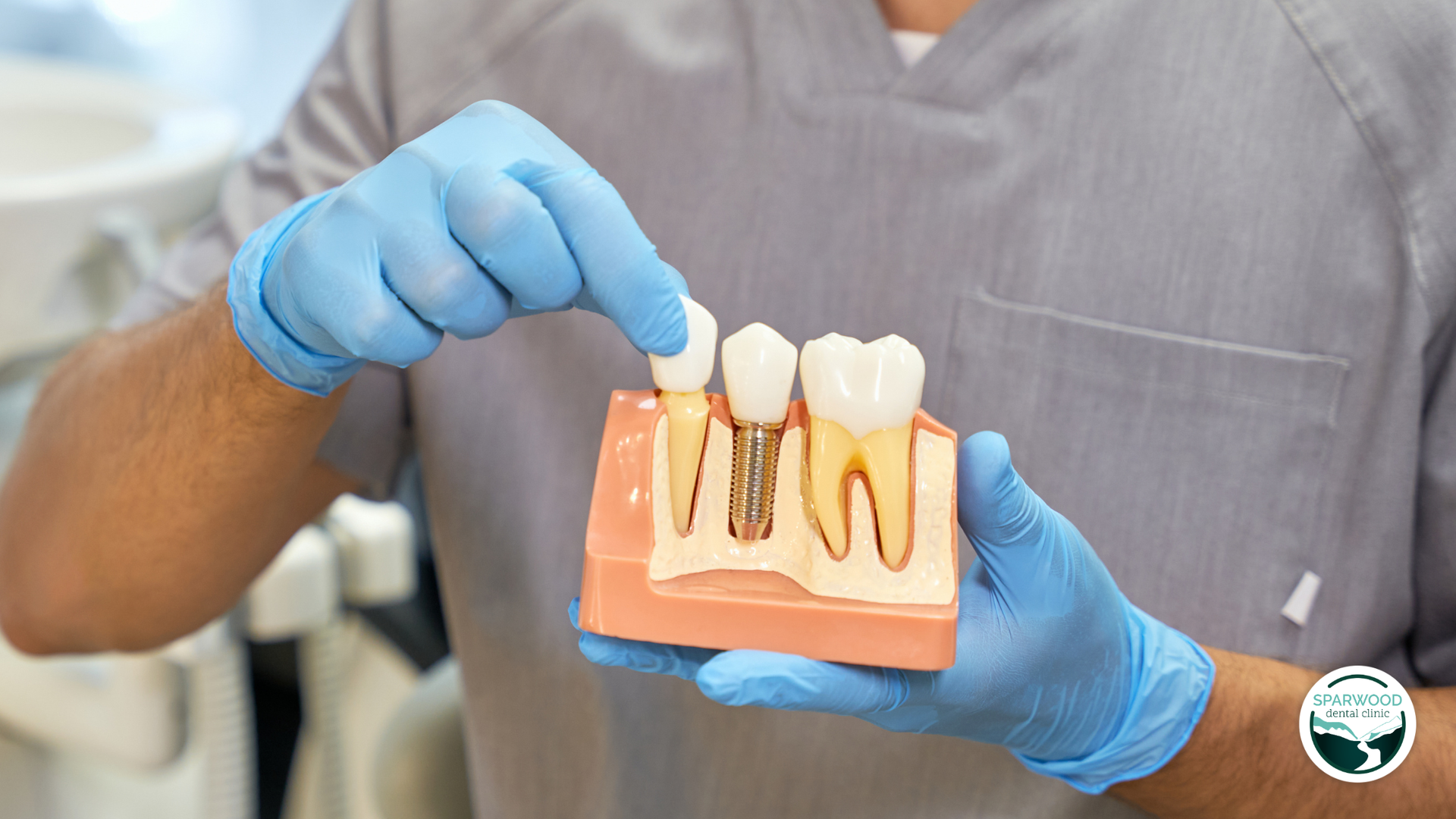
Imagine experiencing discomfort near an implant only to discover that the neighbouring natural tooth has a crack or an infection. Dental pain is not always easy to pinpoint, particularly when several teeth and supporting structures are close together.
A cavity,
gum problem, cracked tooth, or inflamed nerve in an adjacent tooth can create discomfort that seems to originate from the implant.
This is why an examination should look beyond the implant alone. Our team may assess neighbouring teeth, the gum tissues, your bite, and the implant restoration. Dental X-rays may also help reveal changes that cannot be seen during a visual examination. The goal is to identify the actual source of pain rather than treating the most obvious location.
Does Pain Mean Your Dental Implant Needs to Be Removed?
This is often the biggest concern when an older implant starts causing discomfort. Fortunately, pain alone does not determine whether an implant can be maintained.
A loose restoration may be repairable. Bite-related problems may respond to appropriate adjustments. Early inflammation around an implant may be managed through professional care and improved plaque control. More advanced problems, particularly those involving significant bone loss or loss of implant stability, can require more complex treatment.
In some situations, implant removal may be necessary, but that decision depends on the clinical findings rather than the presence of pain alone. At
Sparwood Dental Clinic, we help patients understand what may be contributing to dental implant discomfort and what treatment options may be appropriate.
How Long Should You Wait Before Getting It Checked?

A brief sensation of discomfort does not always indicate a serious problem. However, a previously comfortable implant should not develop persistent or recurring pain without explanation. Pay attention to changes such as:
• Pain that returns whenever you chew
• Bleeding or swelling around the implant
• A crown that feels loose or different
• A persistent unpleasant taste or discharge
• Gum recession or visible changes around the restoration
These symptoms warrant a dental examination, even if the discomfort is manageable. Seek prompt dental care for worsening pain, swelling, or signs of infection. Severe swelling, difficulty swallowing, or difficulty breathing requires emergency medical attention. While waiting for an appointment, avoid chewing hard foods on the affected side and do not attempt to tighten or adjust implant components yourself.
An Implant That Lasted for Years Deserves a Closer Look

Dental implants can function successfully for many years, but their long-term health depends on more than the implant fixture alone. The surrounding gums, supporting bone, restoration, and neighbouring teeth all influence how the area feels and functions.
When discomfort appears after years of normal use, the most useful question is not simply whether the implant has failed. It is what has changed and whether that change can be addressed.
At
Sparwood Dental Clinic, we evaluate dental implant concerns for patients in Sparwood, helping identify potential causes of discomfort and appropriate next steps. If your dental implant has recently started hurting after years without problems, schedule a dental implant evaluation with our team to understand what may be happening and how to protect your oral health.
Share
Recent Post