Can Holiday Sweets Cause Cavities? What You Should Know
Source: Dr. Marketing
Holiday celebrations have a way of bringing everyone together around food. From homemade cookies and chocolate to festive drinks and family dinners, there is always something delicious within reach. And while enjoying your favourite holiday treats is part of the celebration, your teeth may be dealing with more than you realize.
It is not necessarily that one slice of cake or a few pieces of chocolate will cause cavities. What matters is how frequently your teeth are exposed to sugar and acids throughout the day. During the holidays, when snacking becomes more frequent and routines change, these repeated exposures can increase the risk of tooth decay and enamel erosion.
The good news? You do not need to give up your favourite festive foods to protect your smile. At
Sparwood Dental Clinic, we encourage patients to enjoy the holiday season while making simple, informed choices that support their oral health.
It Is Not Just What You Eat, but How Often You Snack
Picture a typical holiday afternoon.
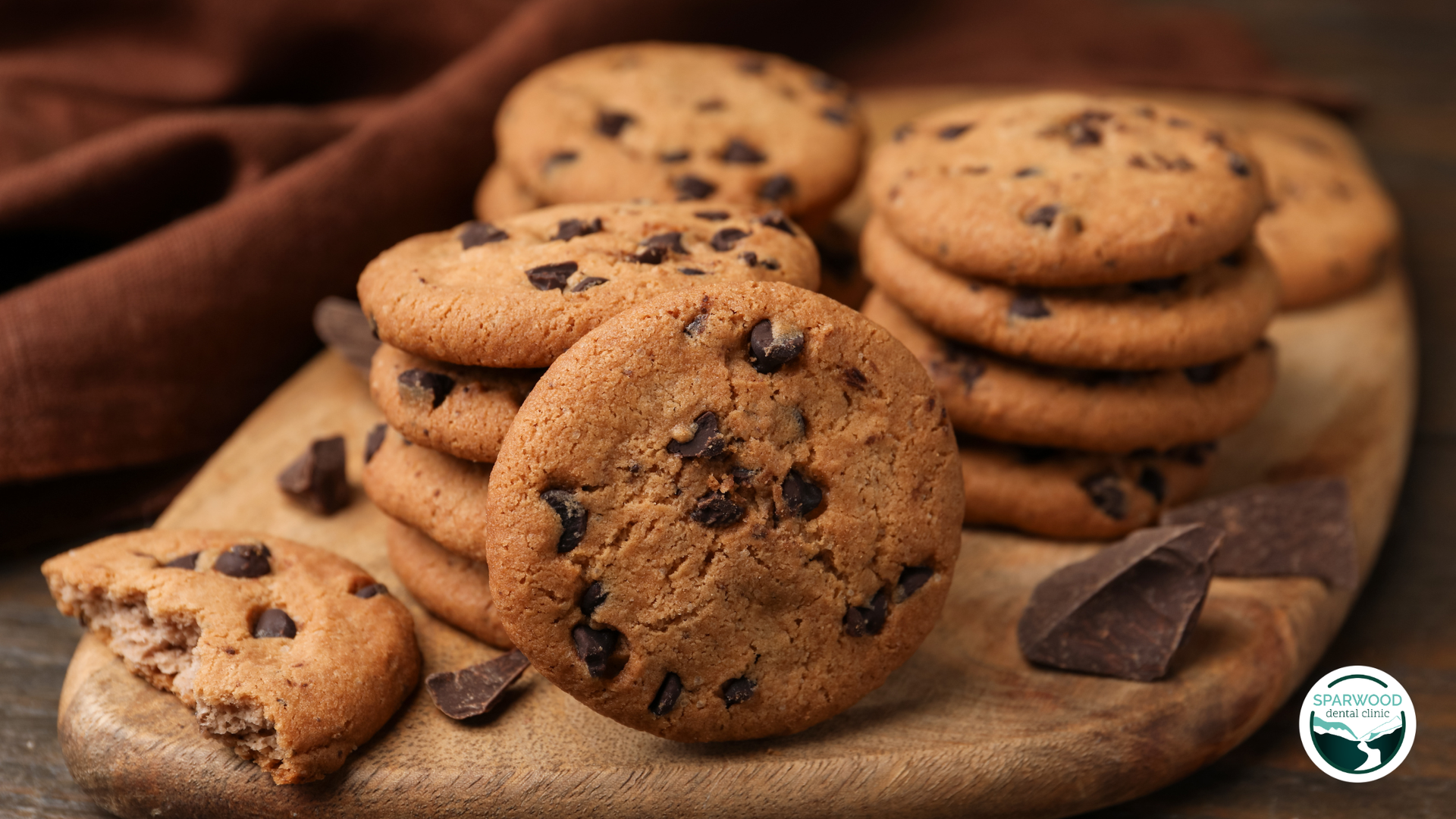
You grab a cookie while preparing dinner, enjoy a few chocolates while wrapping gifts, sip a sweetened coffee, and later reach for another treat during a movie. None of these choices may seem particularly concerning on their own.
However, each time you consume sugary foods or beverages, bacteria in dental plaque use those sugars to produce acids. These acids temporarily lower the pH in your mouth and contribute to the loss of minerals from tooth enamel. Saliva helps neutralize acids and supports the natural remineralization process.
The challenge begins when snacking happens repeatedly throughout the day, giving your teeth less time to recover between exposures. A practical holiday habit: Enjoy sweets alongside a meal rather than grazing on them throughout the afternoon. Eating treats with meals can reduce the number of separate acid attacks your teeth experience, while increased saliva production during meals helps clear food particles and neutralize acids.
The Holiday Treats That Stay on Your Teeth Longer
Not all festive sweets interact with your teeth in the same way. Some foods dissolve or clear from the mouth relatively quickly, while others remain attached to tooth surfaces for longer periods.
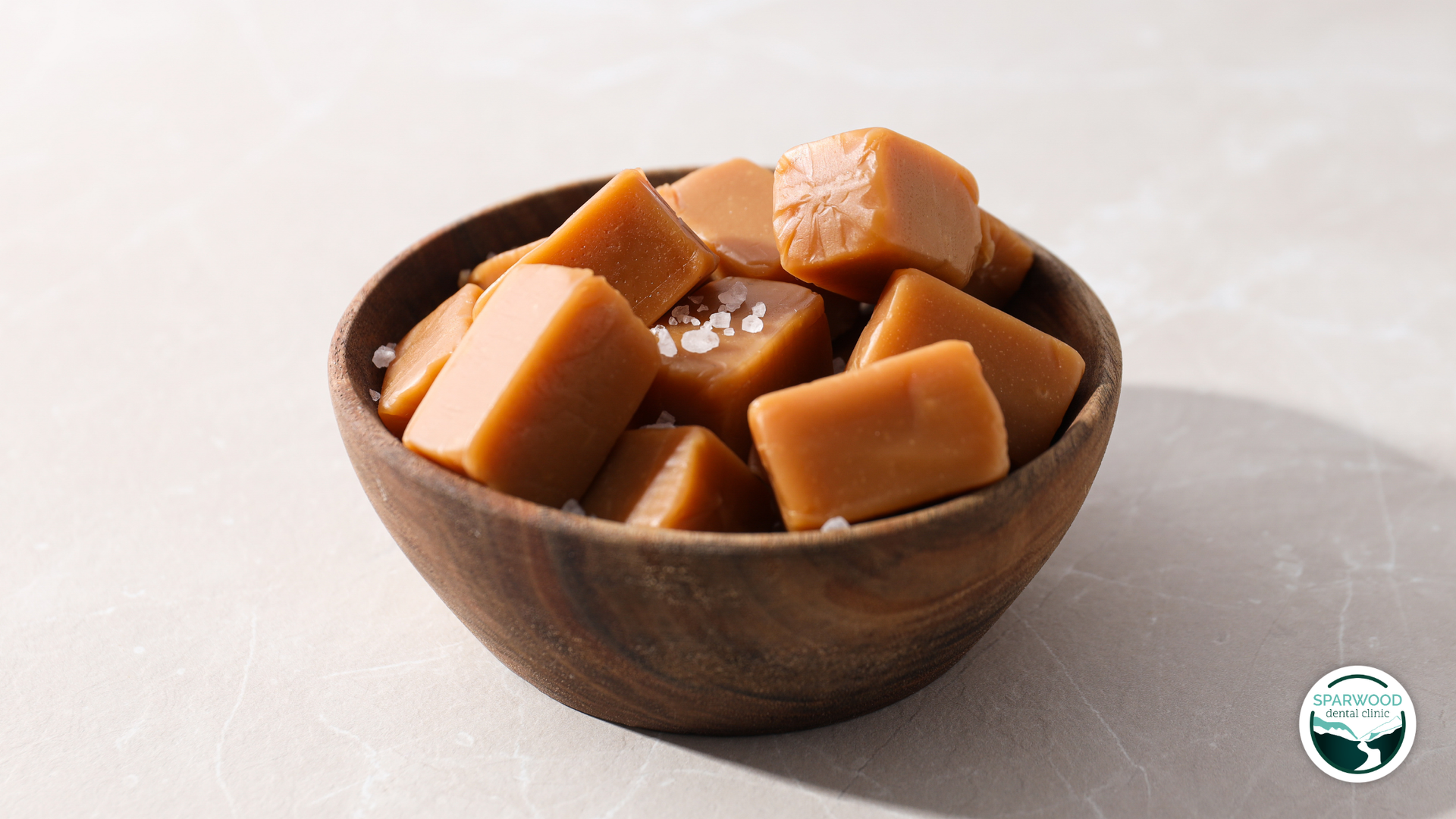
Sticky caramels, toffees, gummies, and chewy candies can cling to the grooves of your molars and between teeth. This prolonged contact may increase the time sugars remain available to plaque bacteria.
Hard candies present another concern. Because they dissolve slowly, they can expose teeth to sugar over an extended period. Biting down on them may also increase the risk of
chipped teeth or damaged restorations. Does this mean you should avoid every sticky or hard treat?
Not necessarily, but being mindful of how often you eat them can make a difference. If you enjoy chewy holiday candies, consider having them with a meal and cleaning between your teeth as part of your regular oral hygiene routine.
That Festive Drink Might Be More Acidic Than You Think
Holiday beverages deserve just as much attention as desserts. Sweetened coffees, flavoured hot chocolates, fruit punches, sparkling drinks, and seasonal cocktails may contain sugar, acids, or both.
While sugar contributes to cavity risk through bacterial acid production, acidic beverages can directly contribute to enamel erosion.
Enamel erosion occurs when acids gradually dissolve minerals from the outer surface of the teeth. Unlike early mineral loss associated with tooth decay, enamel that has been physically worn away does not grow back.
Frequent exposure to acidic drinks may increase sensitivity and contribute to changes in tooth appearance over time. Consider how you drink your favourite beverages, too. Sipping a sweetened or acidic drink over several hours creates repeated exposure compared with enjoying it over a shorter period. A few simple adjustments can help:
• Drink water between festive beverages.
• Avoid continuously sipping sugary or acidic drinks throughout the day.
• Consider less-sweetened versions when available.
• Use a straw for suitable cold beverages to help reduce contact with your teeth.
If you have consumed something acidic, rinse your mouth with water and wait approximately 30 to 60 minutes before brushing to avoid brushing immediately after acid exposure.
What About Holiday Foods That Are Actually Good for Your Teeth?
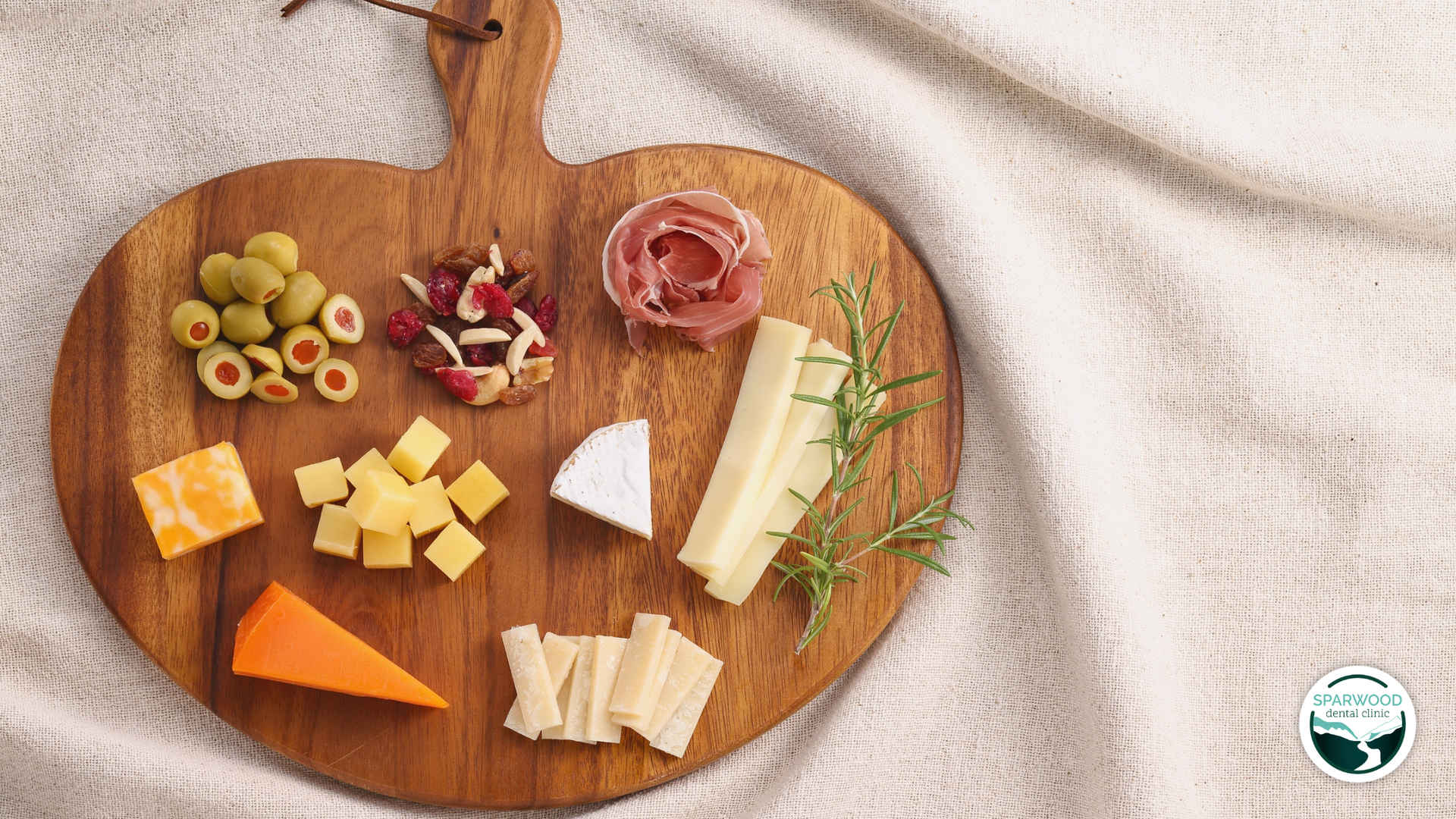
Holiday meals offer plenty of opportunities to include foods that support oral health. Cheese, for example, provides calcium and phosphorus, which contribute to maintaining healthy teeth. Eating cheese may also help stimulate saliva production.
Crunchy vegetables such as carrots, celery, and cucumber can be satisfying additions to a holiday snack platter. Nuts provide nutrients and are generally lower in sugar than many traditional holiday sweets, although very hard nuts should be approached carefully if you have vulnerable teeth or restorations.
Water is another simple choice that often gets overlooked during celebrations. Drinking water helps rinse away food particles, supports saliva function, and reduces the amount of time sugars and acids remain in contact with teeth. You do not need to replace every dessert with a vegetable platter. Including a balance of foods and beverages throughout the day can help reduce unnecessary sugar exposure.
The Late-Night Holiday Habit That Can Affect Your Smile
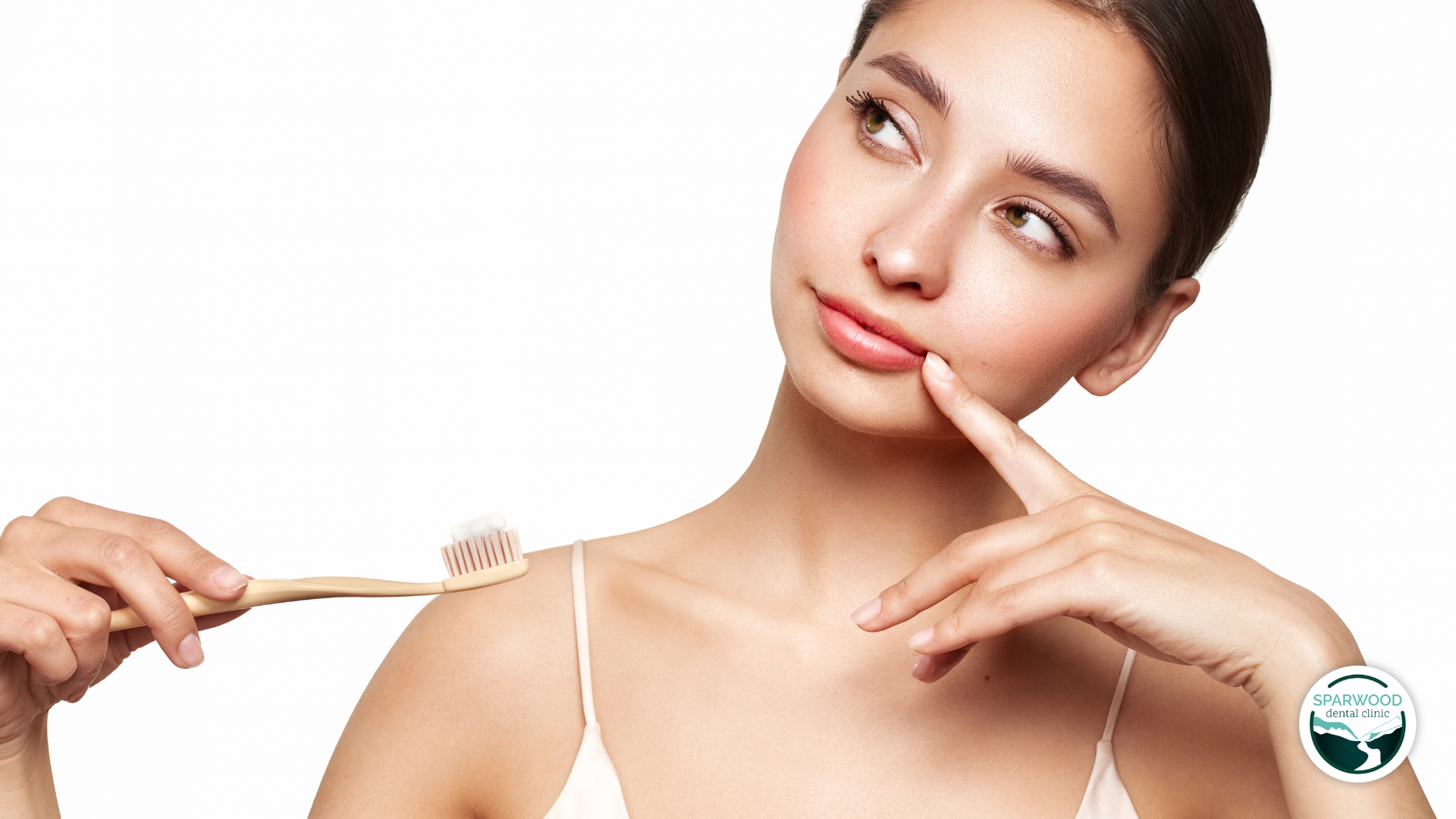
After a long evening of celebrations, brushing your teeth may feel like one more task before bed. However, nighttime oral hygiene is particularly important. Saliva production naturally decreases during sleep, reducing the mouth's ability to wash away food particles and neutralize acids.
Going to bed with plaque and sugary residue on your teeth can increase the conditions that contribute to tooth decay. Even during the busiest holiday evenings, try to maintain two essential habits:
Brush twice daily with
fluoride toothpaste. Fluoride helps strengthen enamel and supports remineralization of early mineral loss.
Clean between your teeth once daily. Floss or another suitable interdental cleaning tool helps remove plaque from areas your toothbrush cannot easily reach.
If children are enjoying extra holiday sweets, parents can help them maintain their regular brushing routines rather than allowing celebrations to disrupt daily care.
Do You Need to Worry About One Weekend of Holiday Indulgence?
A few days of enjoying holiday foods does not automatically mean you will develop
cavities. Tooth decay and enamel erosion are influenced by multiple factors, including diet, oral hygiene, saliva, fluoride exposure, and existing dental conditions.
However, the holiday season can extend across several weeks, with repeated celebrations, office treats, family gatherings, and changes in everyday routines. That is why small habits matter.
Rather than focusing on avoiding every sugary food, think about reducing how frequently your teeth are exposed to sugar and acid. Enjoy your favourite dessert after dinner, drink water throughout the day, and maintain your brushing and flossing routine. These realistic adjustments can help protect your oral health without making holiday eating feel restrictive.
When Should You Schedule a Dental Checkup?
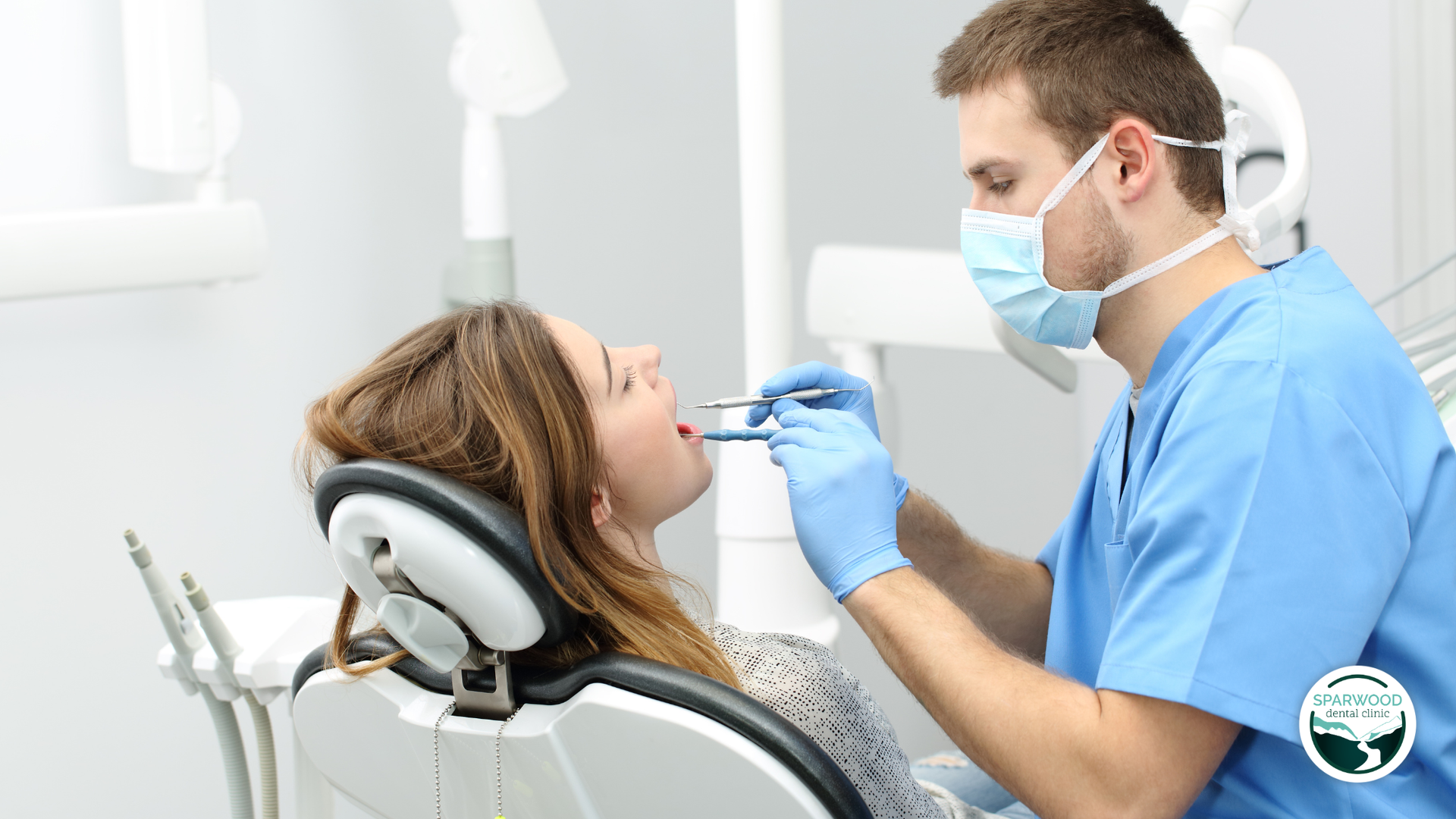
If you notice increased tooth sensitivity, discomfort when chewing, or pain when consuming sweet foods, it may be time for a dental evaluation. These symptoms can have several causes, including tooth decay, enamel erosion, exposed root surfaces, or damaged restorations.
A dental examination can help identify the underlying concern and determine whether treatment is necessary. Routine preventive appointments also allow our team to assess your enamel, monitor gum health, and provide recommendations based on your individual cavity risk.
At
Sparwood Dental Clinic, we help patients maintain healthy teeth and gums through preventive dental care and personalized oral health guidance.
Enjoy the Holidays Without Putting Your Dental Health on Hold
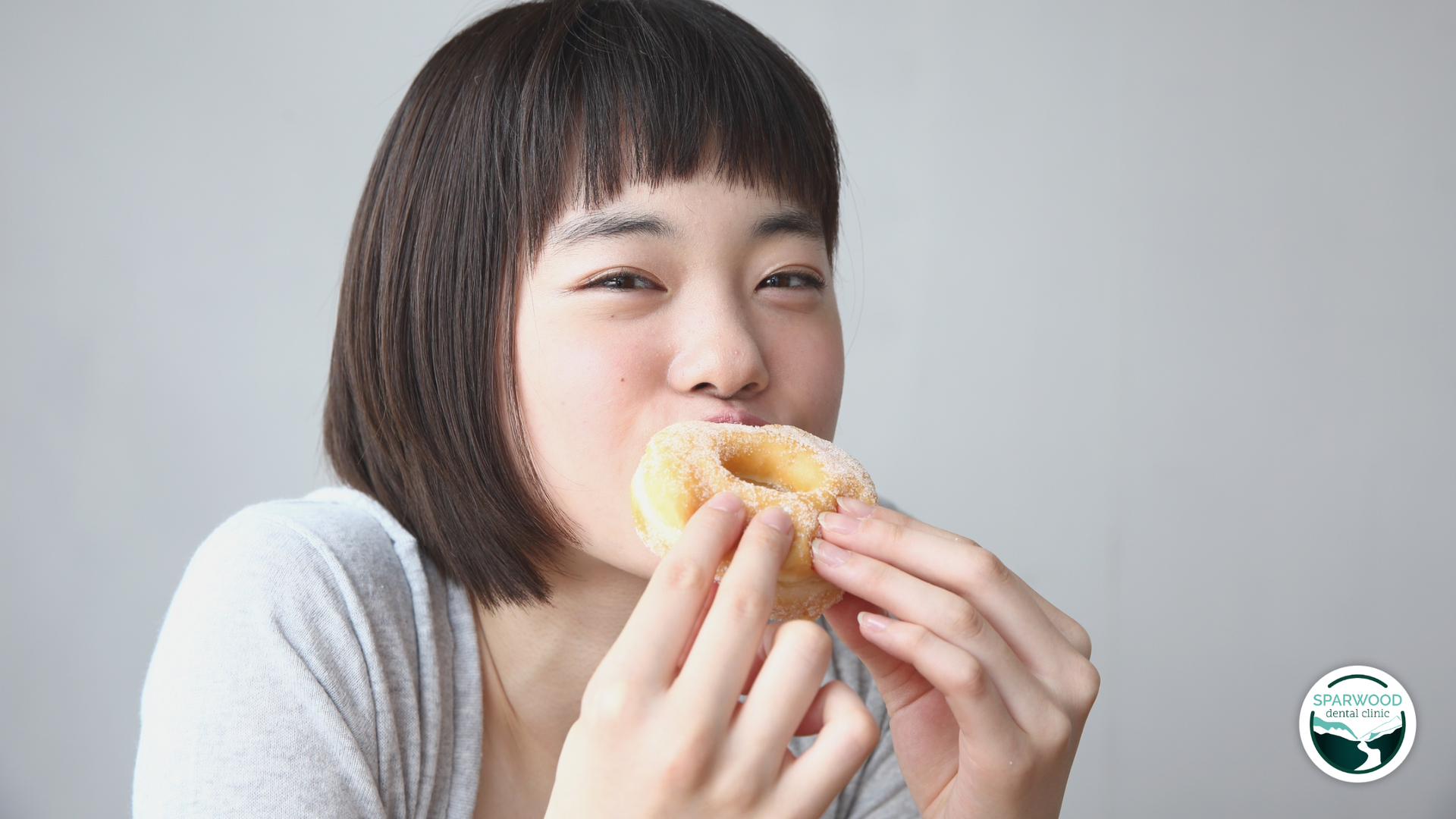
Holiday sweets are meant to be enjoyed, and protecting your teeth does not require giving up the foods that make celebrations special. The key is understanding how frequent snacking, sugary beverages, and acidic foods affect your enamel, then making small adjustments that fit naturally into your routine.
From enjoying desserts with meals to drinking more water and maintaining daily oral hygiene, simple choices can help reduce cavity and enamel erosion risks throughout the festive season.
At
Sparwood Dental Clinic, we are here to help patients in Sparwood care for their smiles throughout the year. If you are due for a dental checkup or have concerns about tooth sensitivity or enamel wear, contact our team to schedule an appointment.
Share
Recent Post